
Symposium E13 «Genetics and systems biology of aging»
In 2026, the Symposium is organized with the participation of the Gerontological Society under the Russian Academy of Sciences.
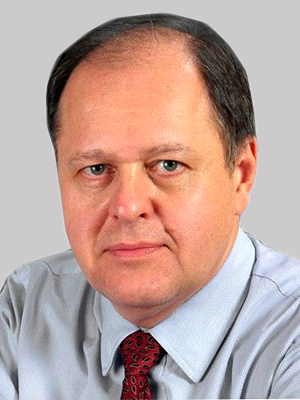
President of the Society: Vladimir Mikhailovich Moiseenko, Corresponding Member of the Russian Academy of Sciences, Professor, DSc (Medicine), Saint Petersburg (a plenary lecture is planned).
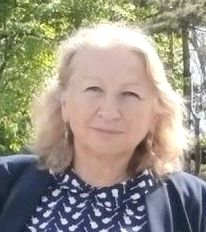
Vice President of the Society: Natalia Gorislavovna Kolosova, Professor, DSc (Biology), Head of the Laboratory of Molecular Gerontology, Institute of Cytology and Genetics, Siberian Branch of the Russian Academy of Sciences (ICG SB RAS), Novosibirsk..
Symposium co-chairs:
|
Professor, DSc (Biology), Head of the Laboratory of Molecular Gerontology, ICG SB RAS, Novosibirsk.
|
Professor, Corresponding Member of the Russian Academy of Sciences, DSc (Medicine), Director of the N.P. Napalkov Oncology Center, Saint Petersburg.
|
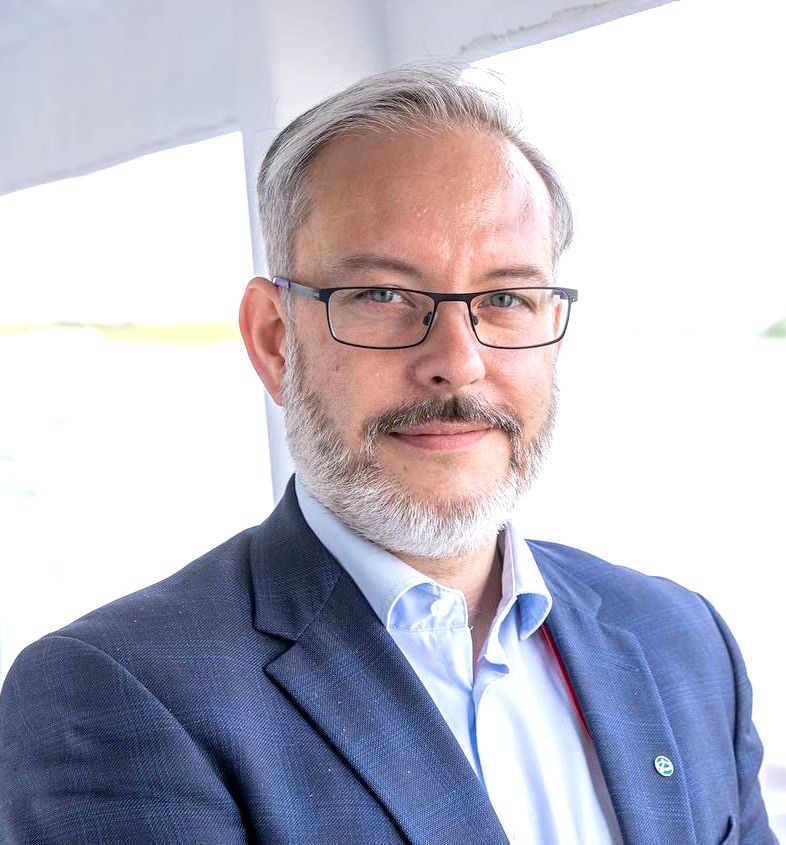
DSc (Physics and Mathematics), Associate Professor, Director of the Research Institute of Aging Biology, Lobachevsky State University of Nizhny Novgorod, Nizhny Novgorod.
|
Elena Genrikhovna Pasyukova
DSc (Biology), Professor, Head of the Laboratory of Genomic Variability, National Research Centre “Kurchatov Institute”, Moscow.
|
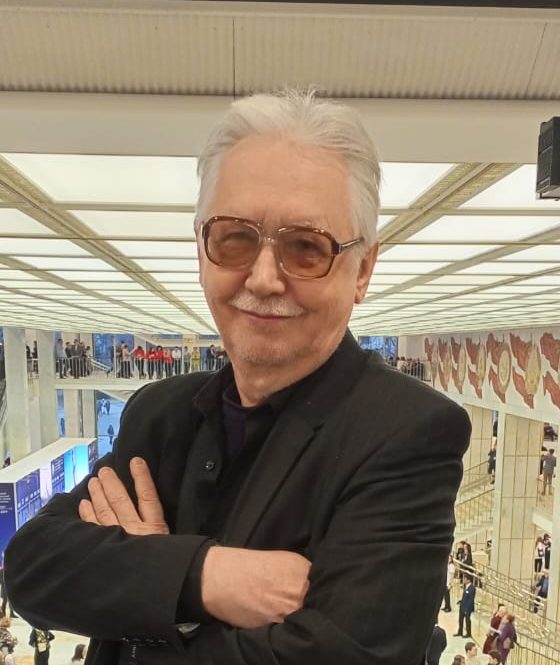
DSc (Biology), Professor, Head of the Sector of Evolutionary Cytogerontology, Faculty of Biology, Lomonosov Moscow State University
Editor-in-Chief of the international journal Advances in Gerontology (Springer Nature) |

Symposium description:
Symposium “Genetics and systems biology of aging” invites specialists from different fields of biology and medicine (genomics, epigenetics, metabolomics, gerontology, bioinformatics, physiology, pharmacology) who apply a systems approach to studying various aspects of aging and lifespan in humans and animals.
Research ultimately aimed at controlling aging processes focuses on discovering the molecular and genetic foundations of longevity on the one hand and premature aging on the other, identifying its early-life prerequisites, and seeking ways to correct these processes toward healthy aging. Age-related diseases are a natural manifestation of aging: their earlier onset is regarded as a sign of premature aging, whereas later development forms the basis for healthy aging and longevity. Advances in the treatment of aging-associated diseases have led to a steady increase in life expectancy over recent decades, while the duration of healthy life has been growing noticeably more slowly. In this context, developing effective approaches to identify predispositions to, and prevent, premature aging is a major reserve for extending healthy lifespan and one of the most pressing challenges in gerontology.
The development of “omics” technologies has been accompanied by an extensive increase in datasets on age-related changes in various species and in humans, which require systematization. A reductionist approach that attributes aging mechanisms primarily to one or another single cause has proven ineffective.
Explaining functional changes associated with aging requires a multidisciplinary approach and the use of methods for studying complex stochastic systems. Analysis of interactions among components of biological systems is part of the methodology of systems biology.